Dental Bonding in Coral Springs, FL: A Practical Guide
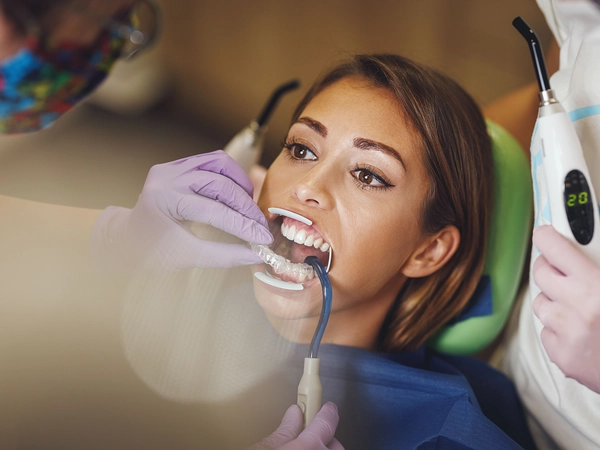
Dental bonding in Coral Springs, Florida, is a conservative cosmetic dentistry option that uses tooth-colored composite resin to improve the appearance and function of teeth. At Delight Dental Smiles Coral Springs, this treatment can repair minor chips, close small gaps, mask discoloration, and reshape teeth in a single visit for many patients.
Dental Bonding Explained
Dental bonding is the placement of a moldable, tooth-colored composite resin onto a tooth to correct aesthetic or minor structural concerns. The material adheres to enamel and dentin, then is shaped, hardened with a curing light, and polished to blend with neighboring teeth. It can address chipped edges, hairline cracks, worn or short teeth, uneven contours, discoloration that does not respond to whitening, and small gaps between front teeth. Because little to no enamel is removed, bonding is considered minimally invasive and, in many cases, does not require anesthesia.
Your Dental Bonding Experience
What to expect is simple and comfortable for most patients. Many bonding procedures do not require numbing unless the area is sensitive or decay is also being treated. After the appointment, it is common to resume normal activities the same day.
Aftercare is straightforward. To protect the restoration, avoid chewing ice, biting nails, or using teeth to open packages. For the first 48 hours, limit dark foods and drinks that can stain, such as coffee, tea, and red wine. Maintain brushing and flossing as usual, and plan regular cleanings to keep the polished surface bright. Touch-ups are possible if wear or staining occurs.
How long dental bonding lasts varies with bite forces and habits. With good home care and routine dental visits, bonding often lasts three to ten years. It may require maintenance sooner if exposed to heavy biting, bruxism, or staining substances. A nightguard can help protect bonded edges if clenching or grinding is present.
Bonding Compared With Veneers and Crowns
Dental bonding vs veneers is a common question. Bonding is ideal for small to moderate cosmetic changes and is minimally invasive. Porcelain veneers offer greater stain resistance and durability for larger aesthetic changes but require more tooth preparation and multiple visits. Crowns provide full coverage when a tooth is heavily worn, cracked, or previously treated with large fillings. The best choice depends on the size of the defect, aesthetic goals, and long-term durability needs.
Benefits of Dental Bonding
- Conservative treatment that preserves natural enamel.
- Often completed in a single appointment with immediate results.
- Tooth-colored resin for a natural-looking finish.
- Versatile solution for chips, gaps, and minor shape concerns.
- Typically more affordable than porcelain veneers or crowns.
- Repairable and adjustable if needs change over time.
How Dental Bonding Works
Patients often ask how dental bonding works and what to expect at the visit. The process is straightforward:
- Evaluation and shade match are completed to plan the repair and select the right resin color.
- Minimal preparation is performed, such as light roughening and a conditioning gel to enhance adhesion.
- Composite resin is placed in layers, then carefully shaped to restore natural contours.
- A curing light hardens the material within seconds for each layer.
- Final shaping and polishing refine the shine and bite for a seamless result.
In most cases, each bonded tooth takes about 30 to 60 minutes. When treating multiple teeth, additional time is needed to achieve symmetry.